
Celebrating Sinterklaas — three weeks of festivities, and how to enjoy them
Everything expat families need to celebrate Sinterklaas with kids: what the traditions mean, when it starts this year, the best books and costumes, outings, making 5 December special — and how to keep three weeks of excitement under control.
By Sonja ·
For many Dutch families, Sinterklaas is the cosiest celebration of the year — and often the most hectic. Three weeks of a child standing by their shoe at six in the morning, a children's news programme that ends every episode on a cliffhanger, and somewhere in between you're expected to keep filling shoes and organise a sack full of presents.
If you didn't grow up here, it can be a lot to take in. Below you'll find the traditions explained first, then everything that makes it fun: dressing up, bedtime stories, decorating, outings, pakjesavond — and the topic every parent at the school gate ends up discussing: how to keep the excitement manageable.
Looking for something specific?
New to Sinterklaas? The traditions explained
Your child will come home from school full of words you may not know yet. Here is what they mean:
- Sinterklaas — a white-bearded saint in a red bishop's robe and mitre, based on Saint Nicholas. Every year he “arrives from Spain” by steamboat in mid-November and stays until his birthday celebration on 5 December. He rides a white horse over the rooftops at night.
- Pieten — his helpers, who climb over roofs, deliver the presents and throw sweets. At the national arrival, on TV and at most schools, the Pieten now have soot smudges from the chimney.
- De intocht — the arrival. There is a national one, broadcast live on TV, and almost every town and village has its own.
- Het Sinterklaasjournaal — a daily children's news programme that follows Sinterklaas during his stay. Children watch it at school and at home, and it drives a lot of the excitement.
- De schoen zetten — putting out your shoe. Two or three evenings a week, children put a shoe by the fireplace or the front door, often with a carrot for the horse, a drawing or a song. In the morning there is something in it: one time a few sweets, another time a small present.
- Pepernoten and kruidnoten — small spiced biscuits you will find everywhere in November. The Pieten scatter them around.
- Pakjesavond — “present evening”, 5 December, when the presents arrive. Usually announced by a loud knock on the door and a sack of presents left on the doorstep.
- Surprises and poems — once children are older, families often draw names (lootjes trekken) and each person makes a handmade “surprise” with a funny rhyming poem for the person they drew.
Your child's school will celebrate too — usually with a visit from Sinterklaas and his Pieten on or just before 5 December. Children pick most of this up within days. The rest of this page is about making it fun at home.
When does it start this year?
- Monday 9 November — the Sinterklaasjournaal starts. From then on it is the talk of every home and every classroom.
- Saturday 14 November — the national arrival.
- Saturday 5 December — pakjesavond.
- Sunday morning 6 December — in Belgium, children unwrap their presents then, rather than the evening before.
From the arrival to pakjesavond is 21 days this year. It varies with the date of the arrival: it can be as few as 19 or as many as 26. So this year you are right in the middle — just over three weeks of shoes by the fireplace, and plenty of time to think ahead about what goes in them.
Decorating the house
You don't need to go all out. A few things make a big difference:
- A fixed spot for the shoe. By the radiator, next to the fireplace, or simply in the hallway. If it is the same place every time, it becomes a ritual.
- Homemade bunting. Cutting mitres and pepernoten out of paper makes a cosy afternoon of crafting together, and the result beats anything you can buy — because your child made it.
- A window drawing. With washable window markers you can make lovely drawings on the glass. Sketch it out or use a stencil first.
- Music. Don't underestimate how much atmosphere a playlist of Sinterklaas songs adds on a dark morning. Your child will come home knowing the words — learning a couple yourself goes down very well.
Tip: once Sinterklaas has gone back to Spain, pack away the mitres and pepernoten and switch the house over to Christmas. Children love that moment: one celebration ends and the next one begins.
The product links in this article are affiliate links: if you order through one, you support Kindkado with a small commission — at no extra cost to you. The shops are Dutch webshops that deliver in the Netherlands and Belgium, and the product names are in Dutch.
Decorating and wrapping
A garland with the steamboat, the horse and the Pieten, a countdown calendar for the days until pakjesavond, and name stickers for the presents: small things that bring the house and the presents straight into the Sinterklaas mood.

HEMA Slinger 2.5m Sint

HEMA Raamstickers Sint

HEMA Naamstickers Sint - 30 stuks

HEMA Aftelkalender Sint
Show all 6 ideasShow less

HEMA Vlaggenlijn 10m Sint

Jute zak groot sinterklaas 50x80cm
A cuddly toy to take to bed
After an exciting day of the Sinterklaasjournaal, it’s nice to take something soft to bed. A cuddly Sinterklaas or one of his helper Pieten makes bedtime a lot cosier — and it lasts for years.


Dressing up as Sinterklaas or a Piet
A Piet costume lasts for years and comes out again every November. Mind the size: children grow faster between one Sinterklaas and the next than you would think, so go a size up rather than a size down. Dutch clothing sizes go by height in centimetres: 98-104 fits most children aged about 2 to 4.
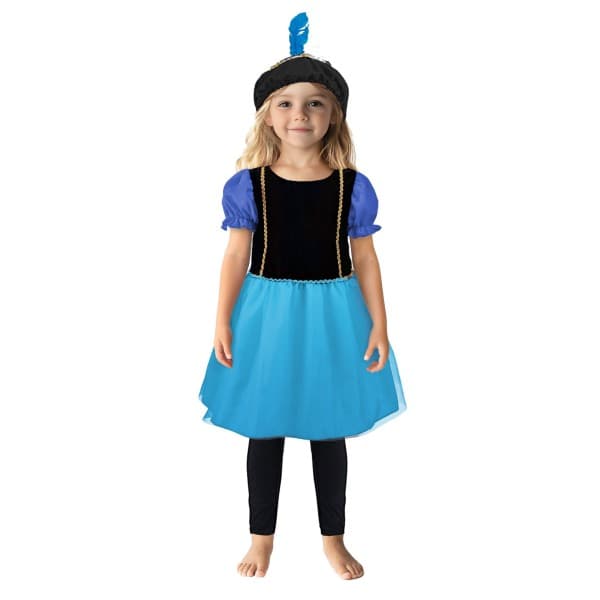
Pietenjurk Paars/blauw 98-104
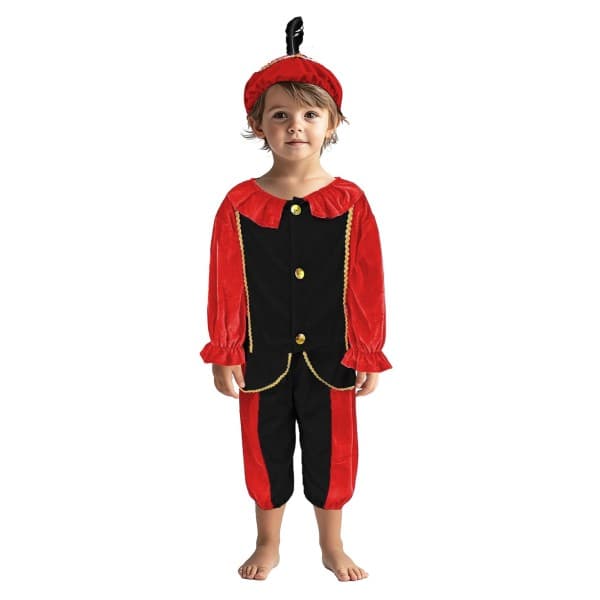
Pietenpak Zwart/rood 98-104 Cm
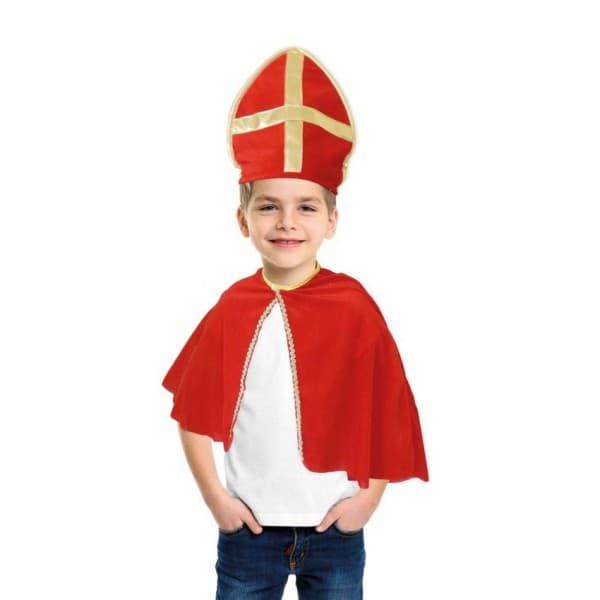
Verkleedset Sinterklaas Cape met Mijter 1 Maat
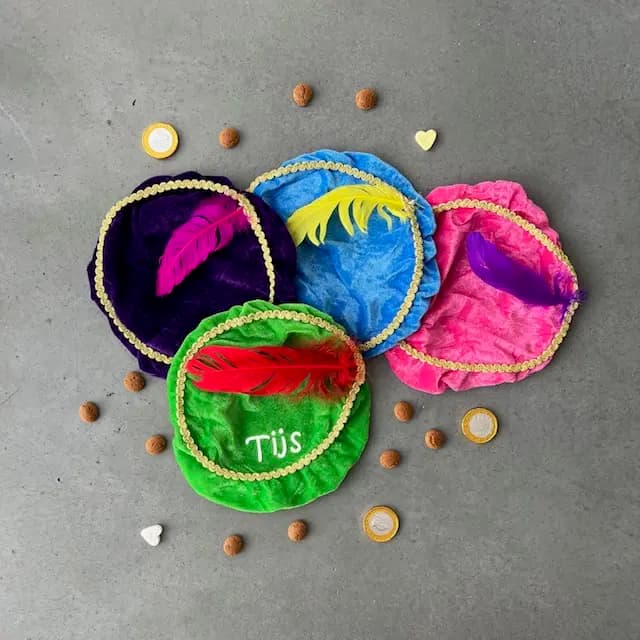
Pietenmuts met naam
Show all 13 ideasShow less
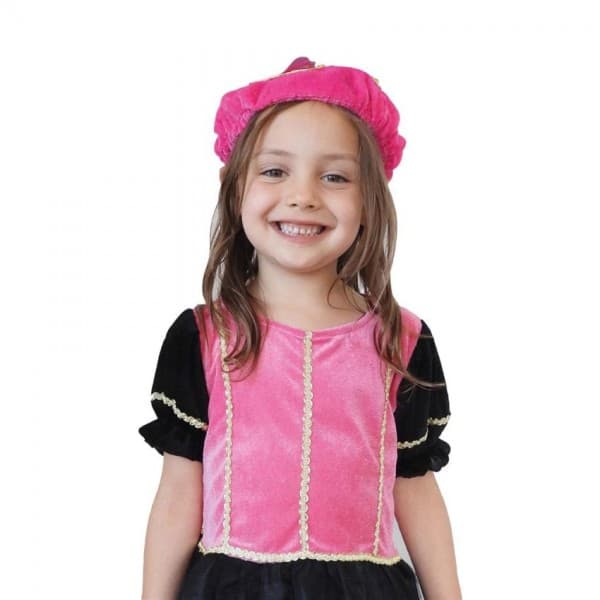
Pieten Baret Roze met Veer
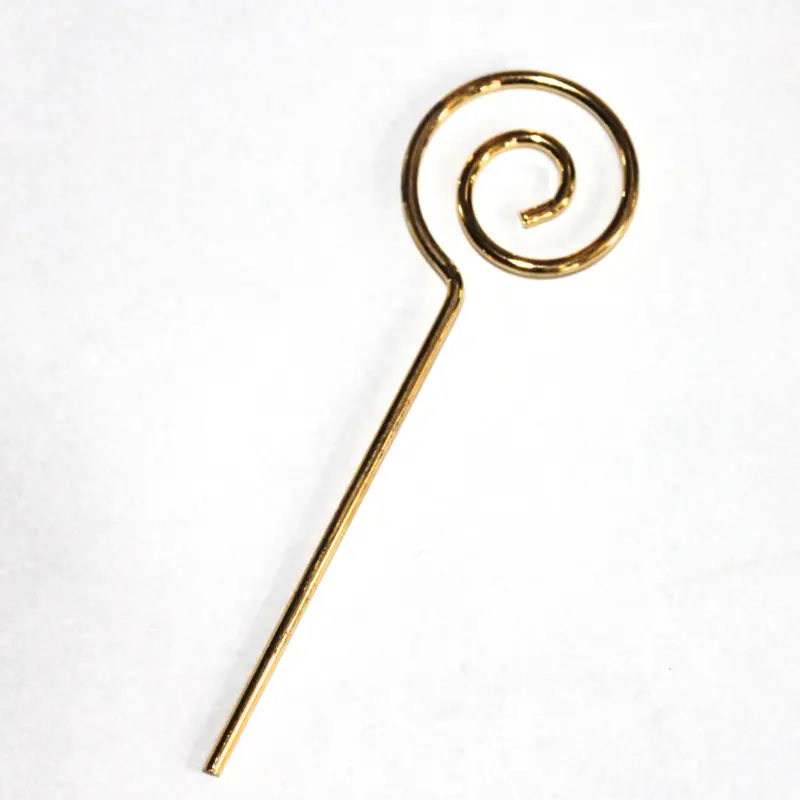
Mini staf Sinterklaas | Goudkleurig

HEMA Kinderverkleedset Sint

HEMA Kinderhaarband Sint

HEMA Kinderbaret Piet

HEMA Kinderverkleedset broek Piet

HEMA Kinderverkleedset broek Piet

HEMA Kinderverkleedset rok Piet

HEMA Kinderverkleedset rok Piet
The best first Sinterklaas books
Three weeks of the same book every night... luckily most Dutch children’s favourites have their own little Sinterklaas book: Boer Boris, Bobbi, Jip en Janneke, Anna, Bumba, Peppa and Dikkie Dik. Short, familiar and with sturdy pages: just right for toddlers and young preschoolers celebrating for the first time. They are in Dutch — which, for a child learning the language at school, is exactly the point.

Boer Boris een paard voor Sinterklaas - Ted van Lieshout
Bobbi viert sinterklaas
Sinterklaas komt!
Anna en Sinterklaas
Show all 7 ideasShow less
Bumba : kartonboek - De helpers van de Sint
Peppa en de brief van Sinterklaas
Dikkie Dik wacht op Sinterklaas
Sinterklaas books from about age 4
For preschoolers who can follow a real story. Our favourite is the Sinterklaas seek-and-find book by Charlotte Dematons, which is really a book for everyone: it has no text at all, so young children tell their own story to the pictures and older children (and parents) keep finding new details. A must if you also love her De gele ballon or Alfabet. Also here, in Dutch: De Zoete Zusjes, De kleren van Sinterklaas by Paul Biegel, Later als ik groot ben, word ik Sinterklaas!, Ozosnel en de verdwenen wortel (about Sinterklaas’s horse) and Daar is Sinterklaas!
Sinterklaas
De Zoete Zusjes vieren Sinterklaas
De kleren van Sinterklaas - Paul Biegel
Later als ik groot ben, word ik Sinterklaas!
Show all 6 ideasShow less
Ozosnel en de verdwenen wortel
Daar is Sinterklaas!
Sinterklaas books for older children
My son has been asking for ages how Sinterklaas can be 700 years old when ordinary people can’t live that long. So it is nearly time to let him in on it. Some children get angry or upset about the truth, but luckily there are two books that help parents share the Sinterklaas secret in a gentle way. And for children who read on their own and like an exciting story: Wie stout is… by Pieter Koolwijk. All three are in Dutch.
Het grote Sinterklaasgeheim
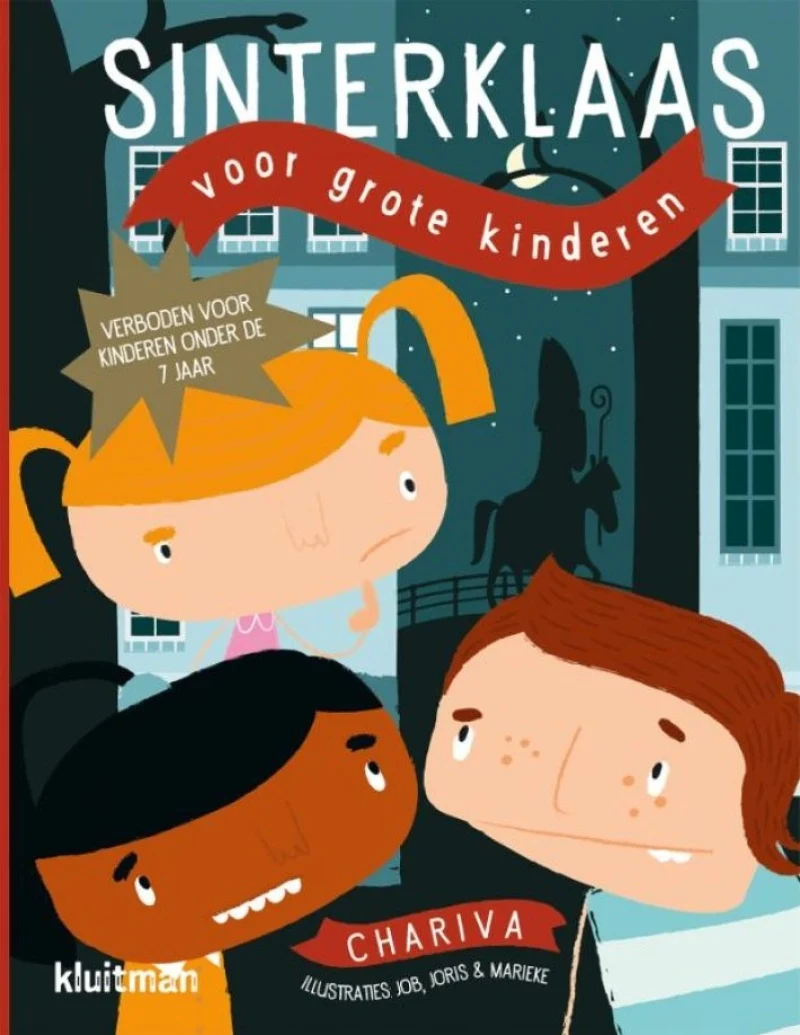
Sinterklaas voor grote kinderen
Wie stout is…
Sinterklaas books in English
In English there is The Story of Sinterklaas by Sjoerd Kuyper: a teacher tells his class where Sinterklaas comes from and why the Pieten climb down the chimney. And the seek-and-find book by Charlotte Dematons has no text at all, so it works in any language.
The Story of Sinterklaas - Sjoerd Kuyper
Sinterklaas
Fun outings during the Sinterklaas season
- The arrival in your own town or village. Almost every municipality has one, and it is often nicer than the national one: closer, less crowded, and your child gets a spot at the front. Your municipality's website or local Facebook group will have the date.
- A Sinterklaas show. Several theatres put on a Sinterklaas show during the season. They are in Dutch, but young children follow the story easily.
- A trip to the cinema. Two new Sinterklaas films are showing this year, both from 1 October and suitable for all ages. They are in Dutch, but young children follow them easily. In De Grote Sinterklaasfilm en de vliegende Pieten (79 minutes), extreme winter weather keeps the Pieten off the rooftops — and an invention, superpowers and the pop group K3 have to save pakjesavond. In De Club van Sinterklaas Film: Paniek in het Pietendorp (about 75 minutes), staff and sacks of presents vanish from the Pieten village, and Coole Piet, Danspiet and Testpiet investigate with a girl called Pip. In Belgium it opens on 14 October.
- Baking pepernoten. Not an outing, but a lovely afternoon — and the house smells of it for days.
- Sinterklaas's house in a castle. In November, lots of castles across the country are transformed into the home of Sinterklaas and his Pieten. A really fun day out, and often cheaper with a Museumkaart, the Dutch museum pass.
Celebrating Sinterklaas evening: making pakjesavond special
Sinterklaas evening, or pakjesavond, is on 5 December. You don't have to do anything special — but if you want to go big, you can. Who brings the presents? From small to grand:
- A knock on the door and a sack of presents. That is all it takes, and for young children it is the most exciting moment of the year. Someone slips outside, bangs loudly on the door and runs off — done.
- A Piet who drops by. A Piet usually stays for a quarter of an hour or so. They sing a few Sinterklaas songs together with the children, invite them to unwrap one or two presents, and often mention a few things the children have done lately — learning to swim, a first tooth lost, helping out at home. Those details come from you: pass them on beforehand, and watch your child's face when Piet turns out to know. In many neighbourhoods there are teenagers who will do it for a small fee. They usually know exactly how it goes, because they have only just grown out of it themselves.
- A visit from Sinterklaas himself. The biggest version, and usually the most expensive. Agree beforehand how long he will stay and which names he will mention.
Where do you find someone? Try your village or neighbourhood Facebook group, or ask at the school gate — someone always knows who did it last year. What is possible varies a lot from place to place.
And this makes the evening extra fun:
- A little poem with every present. A few rhyming lines, read out before the present may be opened. A bit of gentle teasing is allowed.
- Scattering pepernoten. A handful thrown through a gap in the door while everyone sings. Small, and still the moment children remember.
- A treasure hunt for the presents. For slightly older children: hide the presents around the house and let notes from Piet show the way. For the youngest, the sack is exciting enough.
- With older children: drawing names, surprises or the dice game. Everyone draws a name and makes a surprise with a poem, or you play the Sinterklaas dice game. See Sinterklaas with teenagers.
And how do you keep the excitement under control?
This is the part most parents struggle with and the leaflets don't mention. Three weeks of anticipation is a long time for a four-year-old, and it rarely comes out as “I'm nervous” — more often as poor sleep, tantrums or crying over nothing.
- Make it predictable. A lot of the tension comes not from the presents but from not knowing. Agree on fixed nights for the shoe, and say in advance when it will and won't happen.
- Don't talk about it all day. The more Sinterklaas is the topic, the fuller their head. It is discussed at school every day; at home it is fine to talk about something else for a change.
- Don't watch the Sinterklaasjournaal right before bed. It is full of cliffhangers, which is exactly what you don't want in a head that needs to fall asleep. Earlier in the evening or the next morning works too.
- Take it seriously if your child finds it scary. A stranger coming into your home is no small thing for a three-year-old. Being scared is not making a fuss, and joining in from a distance still counts as joining in.
And then there’s the wishlist
A good list saves you a lot of messages in November. On Kindkado you can make one per child in a minute, share it with grandparents, aunts and uncles, and they tick off what they are giving — without your child seeing any of it. Choose English at the top right and your lists and the name draw are in English too; the emails come in both languages.
Frequently asked questions
What is a fun way to celebrate Sinterklaas?
Spread it over the three weeks: putting out the shoe on set evenings, watching the Sinterklaasjournaal together, reading a Sinterklaas book and an outing to an arrival or a Sinterklaas house. On Sinterklaas evening itself, a treasure hunt for the presents, a little poem with every gift or a knock on the door with a sack of presents makes the party. With older children you draw names and make surprises.
Is Sinterklaas the same as Santa Claus?
They are related, but in the Netherlands they are two different figures. The name Santa Claus comes from Sinterklaas, via the Dutch settlers in what is now New York. Sinterklaas arrives from Spain by steamboat, rides a white horse over the rooftops and brings presents on 5 December. The Kerstman — the Dutch name for Santa — belongs to Christmas. Most Dutch families make 5 December the main present-giving moment and keep Christmas smaller, though plenty of families do both.
When does Sinterklaas start this year?
The national arrival is on Saturday 14 November 2026, and the Sinterklaasjournaal starts on Monday 9 November. From the arrival to pakjesavond is 21 days. That varies with the date of the arrival: it can be 19 days or as many as 26. In Belgium, by the way, the presents are not unwrapped on pakjesavond but on Sunday morning, 6 December.
Does my expat family have to celebrate Sinterklaas?
No, but your child will celebrate it at school either way, so most expat families join in at home too — even if only with a shoe by the door on a few evenings and a small present on 5 December. It helps your child feel part of what their classmates are talking about. You don’t need to know the songs or the traditions in advance: your child will teach you.
How do you keep your child’s excitement under control?
Make it predictable. Agree on fixed nights for putting out the shoe, and say in advance when it will and won’t happen. A lot of the tension comes not from the presents but from not knowing. It also helps not to talk about Sinterklaas every evening: the more it is the topic, the fuller their head.
Does my child have to join in with everything at school?
No. Some children find Sinterklaas scary — the Sinterklaasjournaal is full of suspense, and a stranger coming into your home is no small thing for a three-year-old. Talk to the teacher about what does work. Joining in from a distance still counts. Good to know: a four-year-old is not yet of compulsory school age in the Netherlands — that starts on the first school day of the month after their fifth birthday. So if your little one needs a day at home to recover, that is perfectly fine. Just let the teacher know.
When do you tell your child that Sinterklaas isn’t real?
Usually children work it out themselves, around the age of seven or eight — through school, an older child or their own doubts. It is best to wait until your child asks, and then be honest. Many Dutch families turn it into a rite of passage: you are in on it now, and you help keep it magical for the little ones.
What do you do when your child starts asking questions about Sinterklaas?
First ask what your child thinks. Usually they half know the answer already and are looking for confirmation — and then you know straight away whether it is a real question or a test. Don’t lie if your child asks directly whether you buy the presents; that is exactly the moment they take you at your word. If your child is still unsure, you can hand the question back: “what do you think?” Then they decide for themselves when they are ready.
How do you tell an older child the Sinterklaas secret?
Choose a quiet moment without younger children around, and make it not bad news but a rite of passage: you are in on it now, and from now on you help keep it fun for the younger ones. Many children find that last part the best bit. Expect some anger or sadness — that is normal and it passes. There are also two Dutch books written to help you have the conversation together: “Het grote Sinterklaasgeheim” and “Sinterklaas voor grote kinderen”.